
How to Make a Garden Feel Calmer: Expert Garden Landscaping Ideas for Outdoor Relaxation
A calming garden is fundamental to true outdoor relaxation. Thoughtful design transforms an exterior into a private retreat where you can unwind and reconnect with nature. This guide outlines strategic approaches, design elements, plant selection, and spatial organisation that work together to create a serene setting that supports well‑being. We also examine the roles of native and drought‑tolerant species, the integration of water features, and consider lighting to refine your garden’s atmosphere.
Gardens have long been prized for their restorative qualities across cultures, consistently delivering a profound sense of mental refreshment.
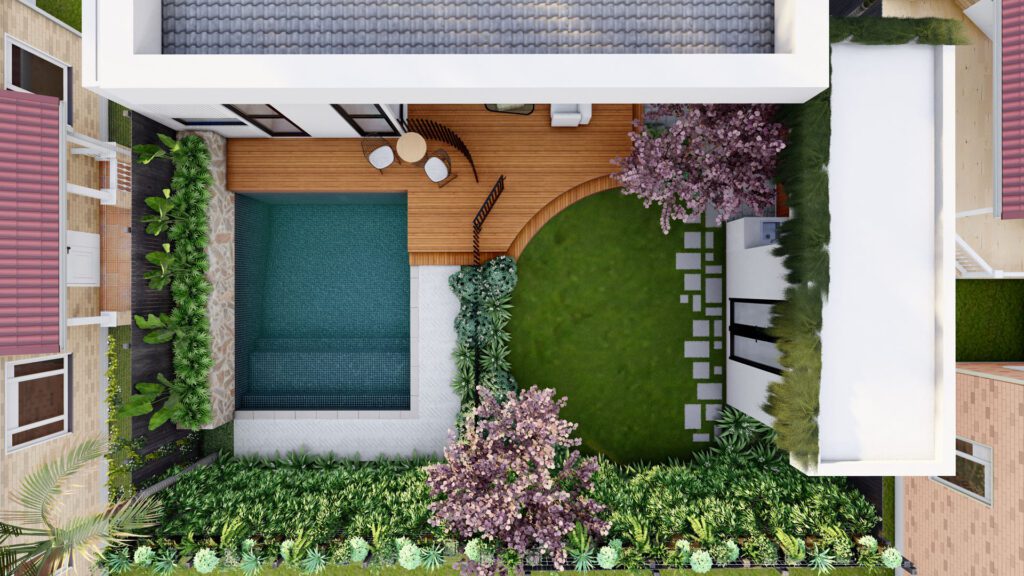
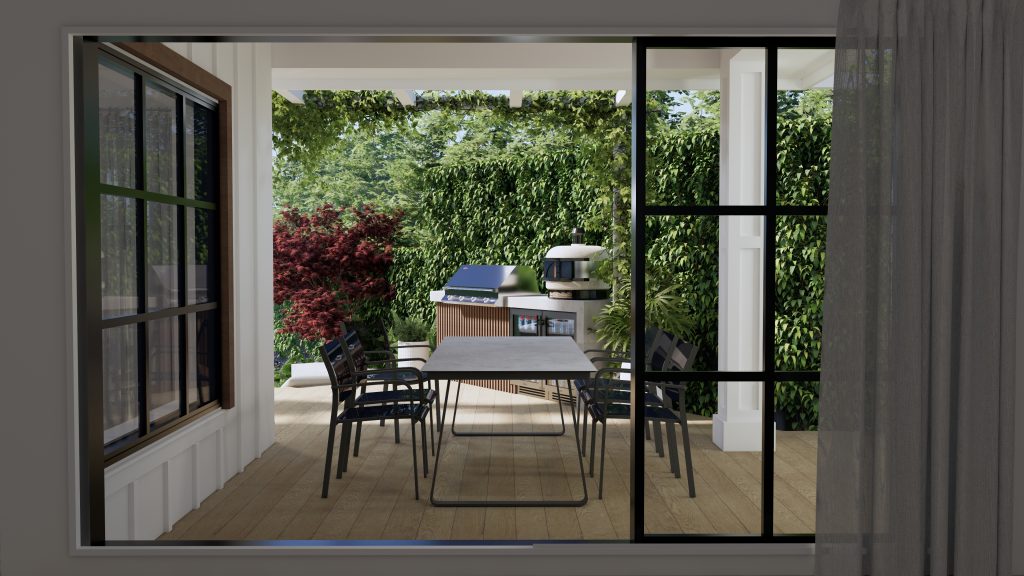
Design Elements
Design elements are pivotal in shaping a tranquil garden. Applying biophilic principles, strengthening the human–nature relationship, amplifies serenity. Key features include integrated water elements, layered planting, and the use of natural materials. These choices add visual richness while fostering balance and harmony throughout the space.
Studio Alba, a Melbourne-based landscape and pool design company, crafts bespoke outdoor environments that elevate tranquility and visual refinement. Their expertise in “landscape design” will help you implement these calming design elements with precision.
Plant Selection
Plant selection is central to a calming garden. Native and drought‑tolerant species offer resilience and low maintenance, allowing the landscape to feel effortless. A restrained colour palette and the inclusion of sensory plantings, chosen for scent, texture, and seasonal interest, further enhance the atmosphere of calm.
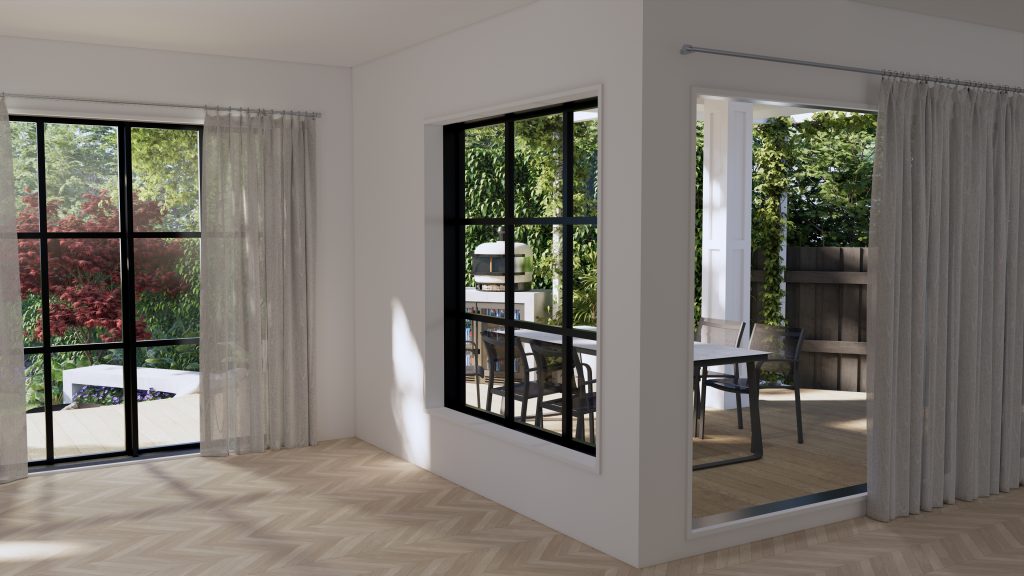
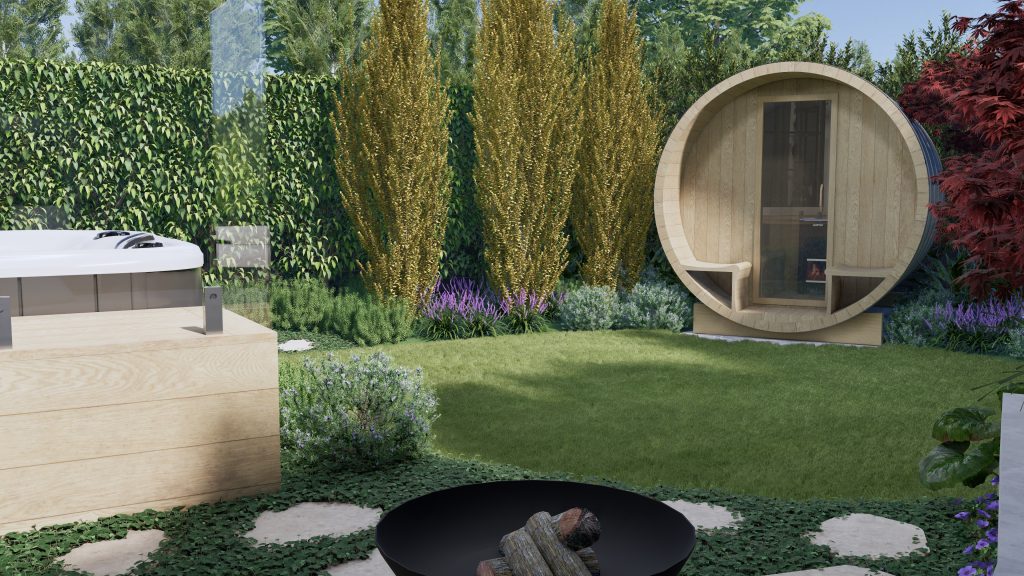
Native Plant Benefits
Plant Species | Attribute | Benefit |
Lavender | Aromatic | Reduces stress and promotes relaxation |
Kangaroo Paw | Drought-tolerant | Low maintenance and vibrant colour |
Eucalyptus | Shade provider | Creates a cool, calming environment |
These species enrich the garden’s aesthetic while supporting local wildlife and fostering a harmonious ecosystem.
Layout Strategies
A considered layout enhances a garden’s calm. Designing coherent flow enables smooth transitions between zones and reinforces a sense of unity. Secluded seating or meditation alcoves provide private retreats for contemplation and rest.
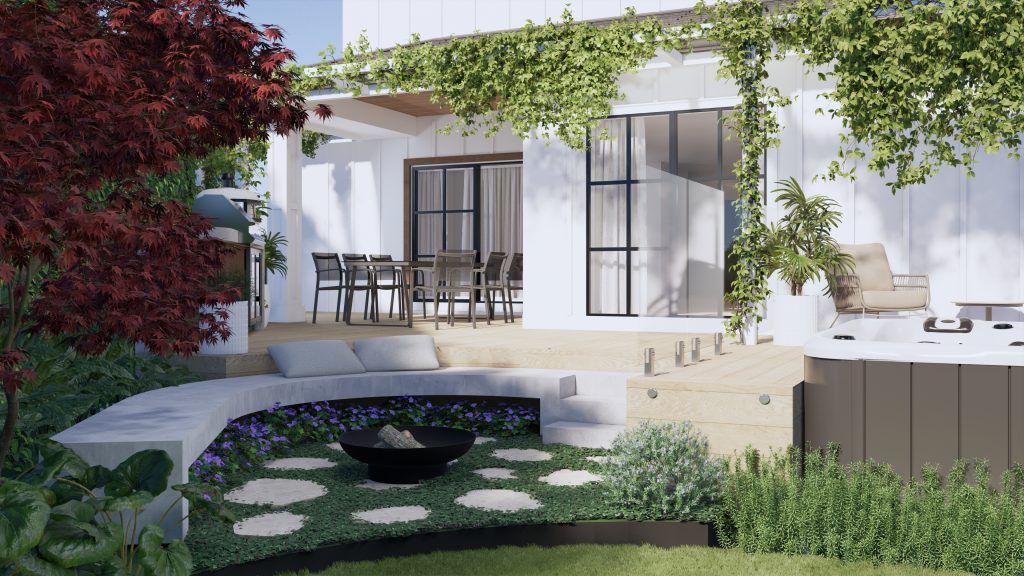
Which Landscape Design Tips Create a Serene Garden Atmosphere?
To cultivate a serene atmosphere, apply the following principles:
- Define Zones: Clearly delineate areas for different activities, such as relaxation, gardening, and play.
- Layered Planting: Use a mix of heights and textures to create visual interest and depth.
- Natural Materials: Incorporate stone, wood, and other natural materials to enhance the organic feel of the space.
Together, these approaches produce a tranquil environment that invites reflection and repose.
How Does Spatial Planning Enhance Garden Tranquility?
Spatial planning is fundamental to garden tranquillity. Thoughtful placement of elements establishes balance and order. Position seating near water features to benefit from their soothing sound, and keep pathways clear and inviting to encourage exploration and enjoyment.
What Role Do Native and Drought-Tolerant Plants Play in Calming Gardens?
Native and drought‑tolerant plants are integral to calming gardens. Their adaptability reduces maintenance and water requirements, easing the gardener’s workload. These species also attract birds and pollinators, subtly enhancing the garden’s peaceful character.
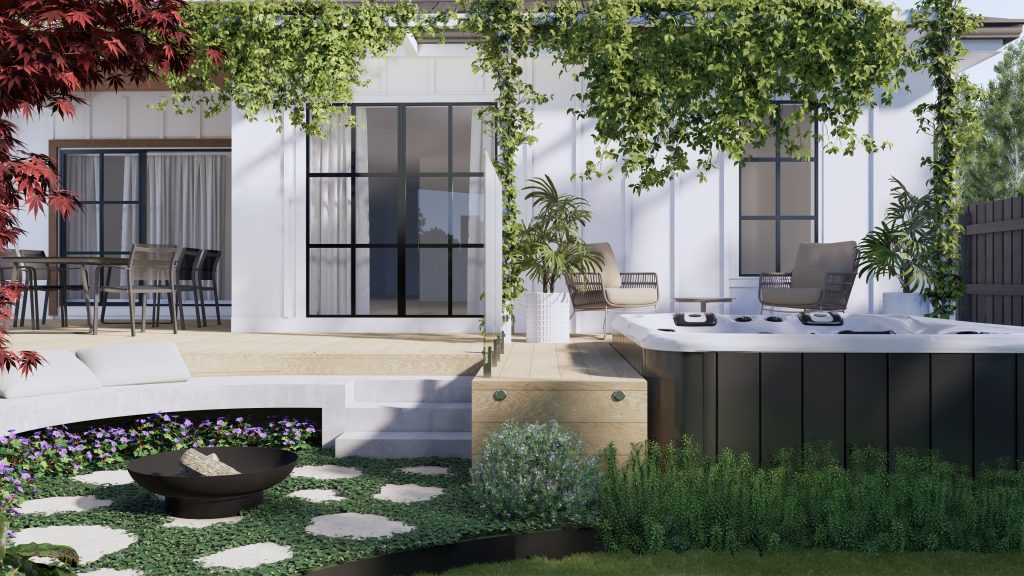
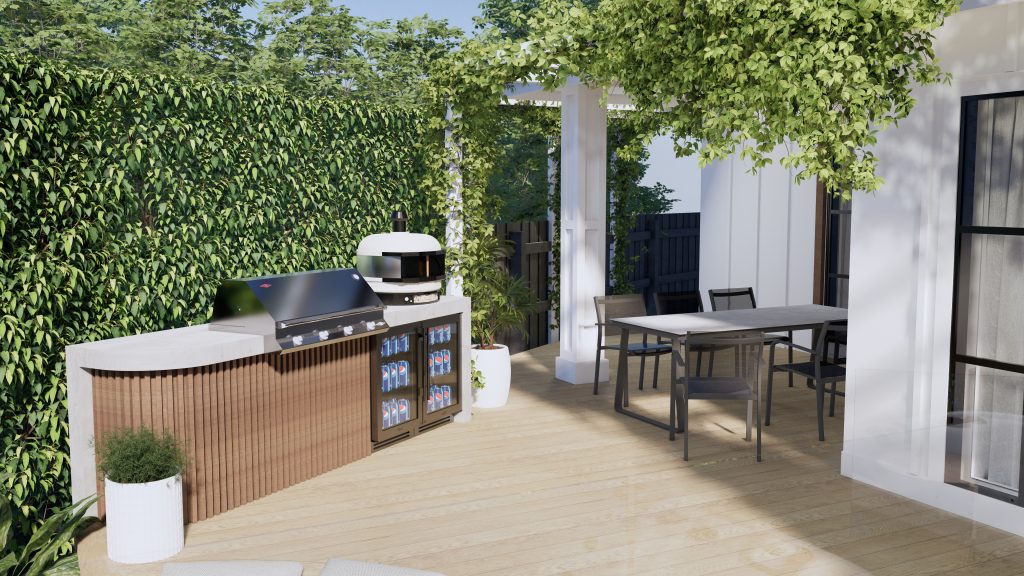
How Can Pool and Garden Design Integrate Water Features for Relaxation?
Integrating “water features” within the landscape noticeably enhances relaxation. Ponds, fountains and cascades introduce calming sound and visual focus. When sited with intention, they become contemplative focal points that draw the eye and invite pause.
What Are the Benefits of Water Features in Garden Calmness?
Water features confer multiple benefits that deepen garden calm:
- Sound Masking: The gentle sound of flowing water can mask unwanted noise, creating a quieter environment.
- Visual Appeal: Water features add beauty and visual interest, enhancing the garden’s overall aesthetic.
Sensory Engagement: Water engages multiple senses, promoting relaxation and mindfulness.
How to Seamlessly Combine Pool Landscaping with Calming Garden Elements?
To unify pool landscaping with calming garden elements, use natural stone and native planting around the pool to achieve visual cohesion. Place shaded seating adjacent to the pool to provide comfortable, sheltered spaces for relaxation.
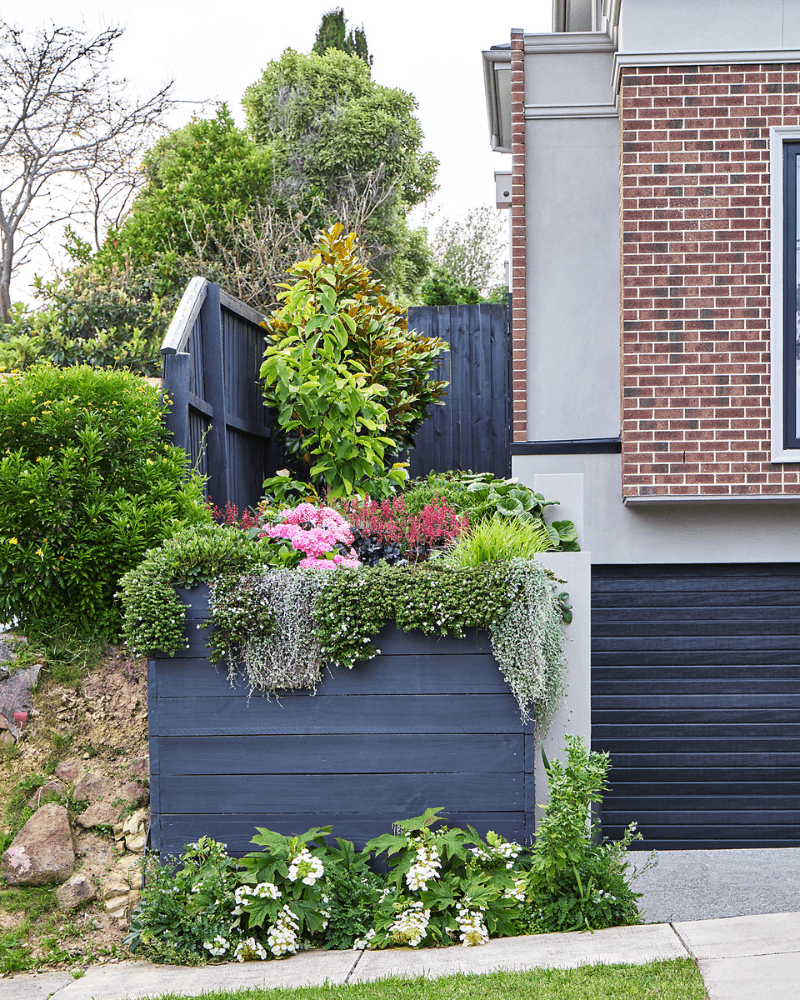
What Plant Selection Strategies Foster Outdoor Garden Relaxation?
To foster outdoor garden relaxation, consider these plant selection strategies:
- Use Native Plants: They are well suited to local conditions and require less maintenance.
- Focus on Drought-Tolerant Species: These plants thrive in varied conditions, reducing the need for constant care.
Consider Soil Compatibility: Choose plants that match the existing soil to encourage healthy growth.
How Do Native Plants Contribute to Sustainable and Peaceful Gardens?
Native species support sustainable, peaceful gardens by aiding local ecosystems and requiring less water and upkeep. Their resilience fosters low‑stress landscapes that invite relaxation. They also attract beneficial wildlife, further enhancing the garden’s tranquil quality.
How Does Lighting and Soundscape Design Elevate Garden Calmness?
Lighting and soundscape design shape the atmosphere and sensory perception. Discreet, considered lighting highlights key features while ensuring safety and comfort. Complementary sound elements, wind in the trees, water, or soft music, add depth to the sensory experience.
What Garden Lighting Techniques Promote a Soothing Ambiance?
To promote a soothing ambiance in your garden, consider these lighting techniques:
- Low-Voltage LED Fittings: Energy-efficient and versatile, they are ideal for highlighting pathways and features.
- Layered Lighting: Combining ambient, task, and accent lighting creates depth and interest.
- Highlighting Features: Use lighting to draw attention to specific plants or structures, enhancing their beauty.

How Can Soundscapes Be Used to Enhance Outdoor Relaxation?
Thoughtful soundscapes amplify outdoor relaxation by crafting a calming auditory environment. Natural sounds, flowing water, and leaves in the breeze promote mindfulness and presence. Soft music or subtle nature recordings can further deepen the sense of peace.
Conclusion
Transforming your garden into a calming retreat delivers tangible benefits, from deeper relaxation to improved mental well‑being. By integrating considered design, native planting, and soothing water elements, you can create a serene outdoor sanctuary that nurtures the spirit. Adopt these strategies to elevate both the beauty and experiential value of your landscape. Discover further tips and resources to refine your garden’s ambiance today.