
The Best Pool Shapes for Every Landscape Design
Choosing a pool shape is one of the biggest decisions in any landscape design, and it’s worth getting right the first time. Rectangular, freeform, kidney and L-shaped pools each suit different sites and ways of living outdoors, so the smartest starting point is your property rather than a trend. Studio Alba designs pools and gardens as one connected system for Melbourne properties of every size.
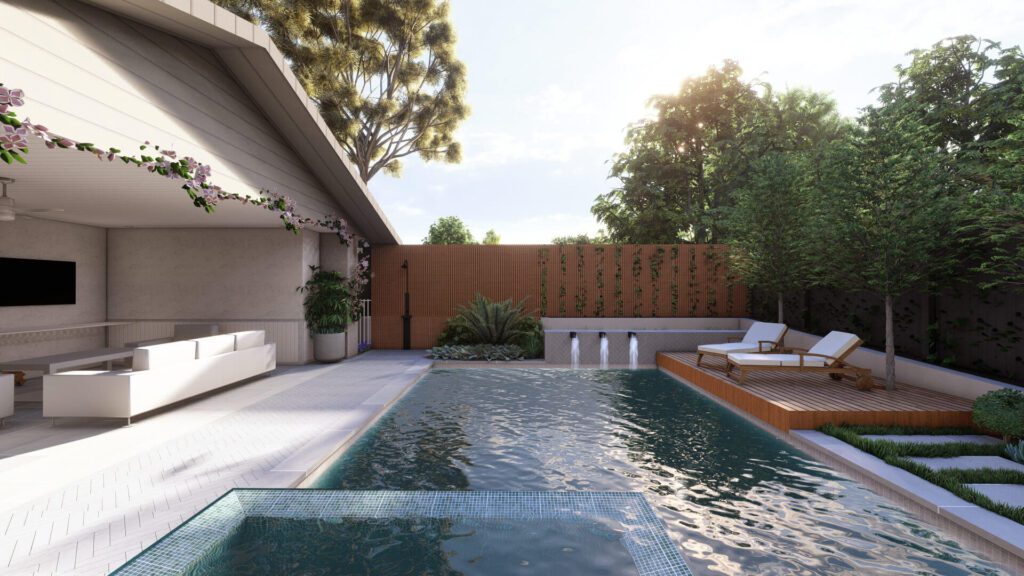
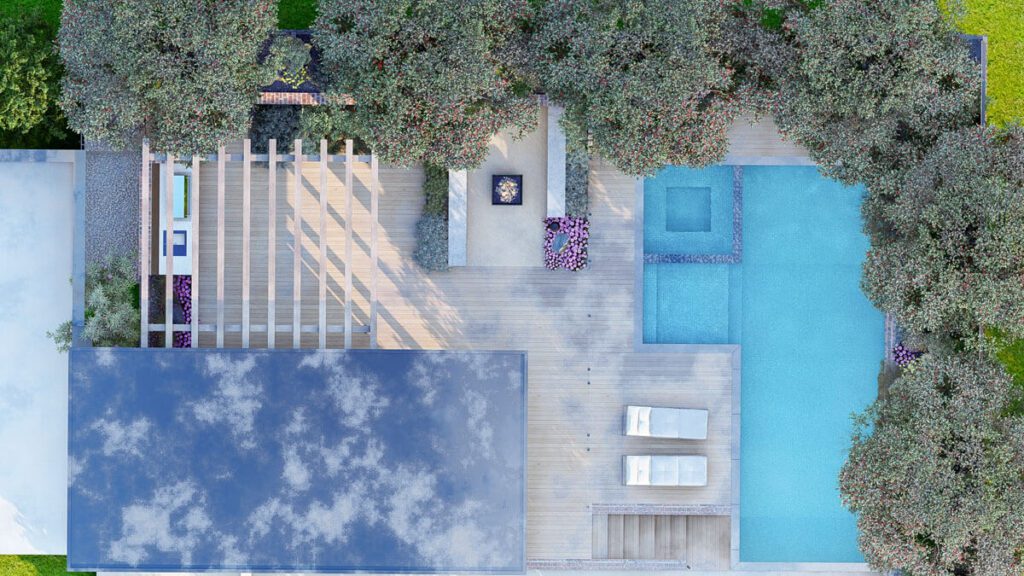
Why Pool Shape and Landscape Work Best Designed Together
Decking, planting and lighting all respond to the pool’s outline, and the outline responds to the site, the home and the garden around it. Pool shape is also one of the more permanent choices a homeowner makes. The outline rarely changes for decades, even as furniture, finishes and planting evolve around it.
A shape chosen without reference to its surroundings can leave a yard feeling disconnected, even once the planting and paving are finished. Designing both together lets the pool and garden read as a single picture rather than two separate projects.
What Makes a Shape Fit Its Landscape
A few considerations tend to decide whether a shape works:
- Alignment with the home’s architectural lines and materials
- Compatibility with how the household actually uses outdoor space
- Integration with planting schemes and level changes across the site
Classic Pool Shapes That Suit Melbourne Homes
No single template suits every property. Each shape has its own character, and the right choice depends on how a household lives outdoors and what the site allows, not on trend alone. A rectangular pool might suit a home with strong architectural lines, while a curved or freeform shape might suit a garden with dense, established planting. The answer always comes back to the specific site rather than a general rule.
Classic Shapes That Balance Form and Function
Classic shapes earn their place by balancing form and function. Each solves different site challenges while staying restrained enough to complement the home.
Common Melbourne pool shapes and where they tend to work well:
- Rectangular: often suits formal gardens, contemporary architecture and lap swimming.
- Kidney or curved: can soften hard landscaping and suit sloped or irregular blocks, depending on the layout and levels involved.
- Freeform: can integrate well with dense planting and organic garden layouts.
- L-shaped or angular: Can help define separate swimming and relaxation areas, where space allows
These are starting points rather than fixed rules. A sloped block or a traditional home doesn’t automatically call for a curved pool, and a flat, modern site doesn’t automatically call for straight lines.

Why Getting the Shape Right Matters Day to Day
Shape has a real effect on how a pool is used. A well-considered pool becomes a natural focus for entertaining, relaxing and family time. Changing a built pool shape later is a significant undertaking, so it pays to get it right from the start.
Choosing the Right Pool Shape for Your Site
A striking silhouette on a mood board means little if it collides with a retaining wall or an easement. It’s worth weighing how a shape fits the land, the slope and the surrounding structures alongside how it looks.
Studio Alba begins with an on-site consultation rather than a fixed shape. Levels, sightlines and existing landscape features inform the decisions that follow. Depending on the agreed design package, this can include detailed 2D plans and photorealistic 3D renders. Shape recommendations are also considered against Australian Standards and pool compliance requirements from the outset, so the builders have a clear, well-documented design to work from.
Site Factors That Narrow the Field
Slope, soil conditions, machinery access and proximity to boundaries all narrow the viable shapes before style preferences even enter the conversation. The best shape for a compact, sloped block can look quite different from the ideal form for an expansive, flat estate.
What Can a 3D Render Add?
Where a 3D render is included in the design package, seeing a proposed shape against the actual home can reveal proportion issues that aren’t obvious on paper. That allows useful refinements before construction begins.
Pool Shapes for Small and Courtyard Backyards
Compact courtyards call for pool shapes that work harder per square metre. What’s achievable still depends on the available space, access, budget and site requirements, but a smaller footprint shapes the brief rather than ruling out a well-considered result. Considered geometry and material choice can do much of the visual work that extra space would otherwise provide.

Sharper Choices for Smaller Sites
Plunge pools, narrow lap configurations and geometric forms with minimal decking often suit courtyard sites better than sprawling freeform designs, subject to what the site and access allow. The goal becomes maximising perceived depth and flow rather than physical area.
Small-site solutions typically draw on:
- Clean-lined pool shapes that favour simplicity over wide curves
- Raised or split-level decking to create separation
- Reflective water surfaces to visually extend the garden
- Integrated planting that softens hard edges within a tight perimeter
A courtyard pool handled with this level of care can become a defining feature of the home rather than an afterthought squeezed into leftover space.
How Studio Alba Brings Every Pool Shape to Life
Studio Alba takes a chosen pool form from concept through to documentation, keeping construction in mind from early on. The aim is to reduce the compliance gaps and documentation issues that can complicate a build later.
A Collaborative Design Team
Landscape and architectural designers work together on every project, so structure, materials and planting are resolved as one connected system. Construction is then carried out by the relevant builders once the design is finalised. Studio Alba’s design team works alongside pool builders to coordinate the pool layout, materials and surrounding landscape.
Frequently Asked Questions
Why does pool shape matter so much in landscape design?
Pool shape helps set the direction for the whole yard, including decking lines, planting beds and circulation paths. Because it stays largely fixed for decades, it’s worth developing the pool and landscape together from the start.
How do I choose a pool shape that suits my home?
There’s no single shape that belongs with a particular style of home. The right choice depends on the site’s levels and access, the planting around it and how your household uses the space. A designer can assess these factors and show you how different shapes would sit against your home before you commit.
What's the best pool shape for a small or courtyard backyard?
Plunge pools, narrow lap configurations and clean geometric shapes with minimal decking tend to suit tight sites better than sprawling freeform designs, since they maximise the sense of space without needing more of it.
Why work with Studio Alba on pool shape and landscape design?
Studio Alba pairs pool geometry with planting schemes, material palettes and levels, working within Australian Standards to deliver a cohesive outdoor environment for Melbourne properties, including Greensborough.
Start Designing Your Pool and Landscape With Studio Alba
The best pool shape is the one built around your home, your site and how you want to live outdoors, not the one that happened to look good somewhere else. Book a consultation with Studio Alba to start planning a pool shape built for your landscape.